Two Days at the ICC World Technology Convention
I went in without expectations and came out with a thesis.
The Indian Chamber of Commerce’s World Technology Convention ICC-WTC 2026 ran over two days at the Jio World Convention Centre in Mumbai. Big venue. Dense schedule. A lot of names on the brochure I recognized, and a fair number I did not.
The thesis is this. A great deal of very serious technical work is happening in India right now, and almost none of it happens in rooms that make the news. If you want to know where the capability actually sits, you have to go and stand in those rooms.
This is my attempt to write down what I noticed.
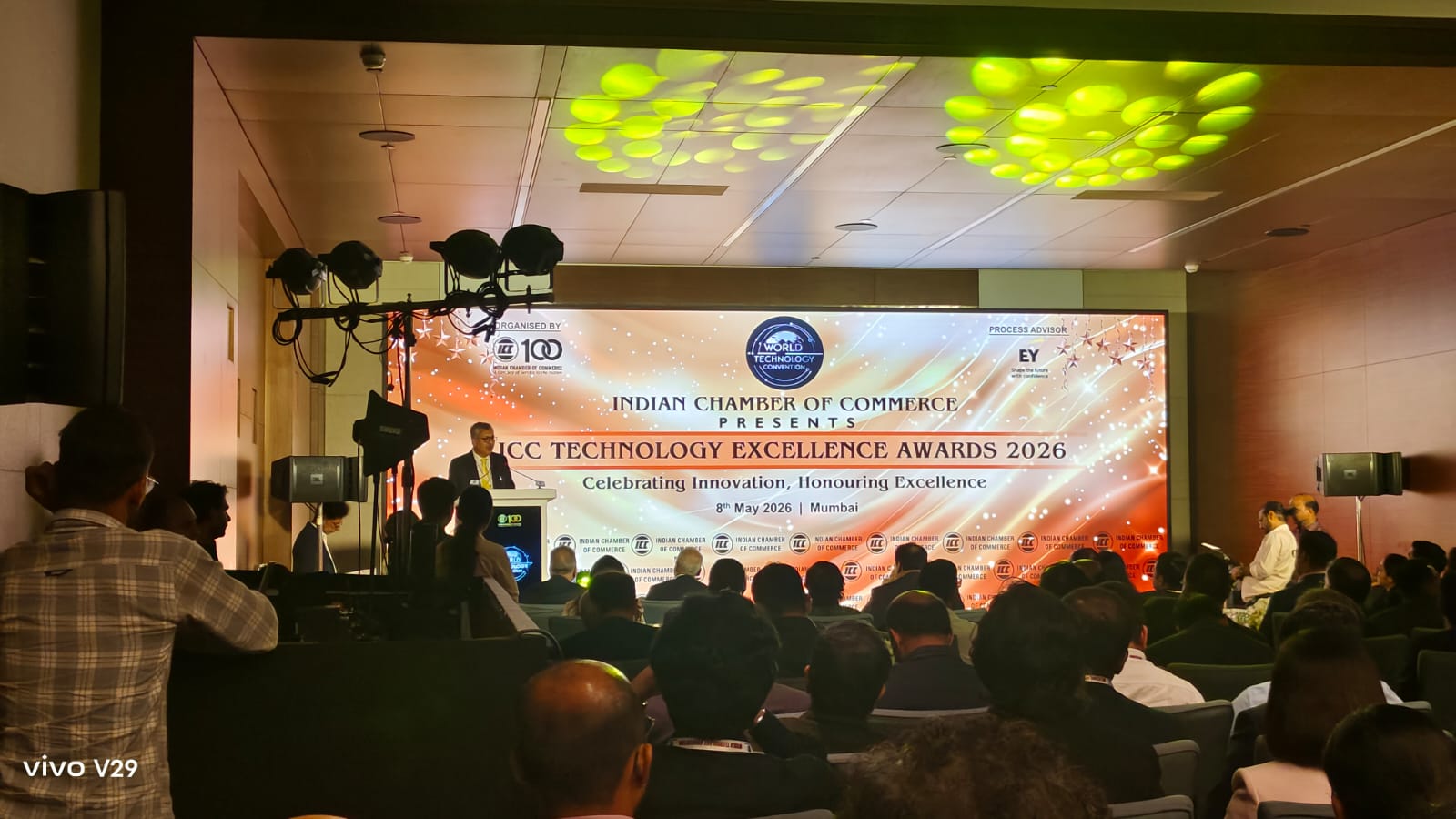
The format, briefly
The convention was structured around sector-specific panel discussions running in parallel across the two days: defense and aerospace, cybersecurity, EdTech, next-gen infrastructure, among others.
In the evenings, the ICC Technical Excellence Awards recognized organizations and individuals doing meaningful work across these domains. The first evening ended with a music night that, unexpectedly, turned out to be one of the better networking contexts of the entire event.
I attended as many panels as I could fit in. I also spent a lot of time in the corridors between them.
That part mattered as much as the sessions.
On the defense panel
The EY-led session on defense and aerospace was the one I kept thinking about afterward.
Not because of any single claim made, but because of the underlying tension running through the whole discussion:
India has serious defense ambitions. The policy environment is increasingly supportive. But the gap between ambition and actual indigenous capability is still large, and closing it requires a kind of institutional patience that is genuinely hard to sustain.
What struck me was how concrete the conversation was. This was not a panel about vision statements. The people on that stage were talking about procurement cycles, supply chain depth, dual-use technology constraints, and what “Make in India” actually requires in practice at the component level.
There is a version of the defense conversation in India that stays at the level of national pride and policy headlines. This was not that version.
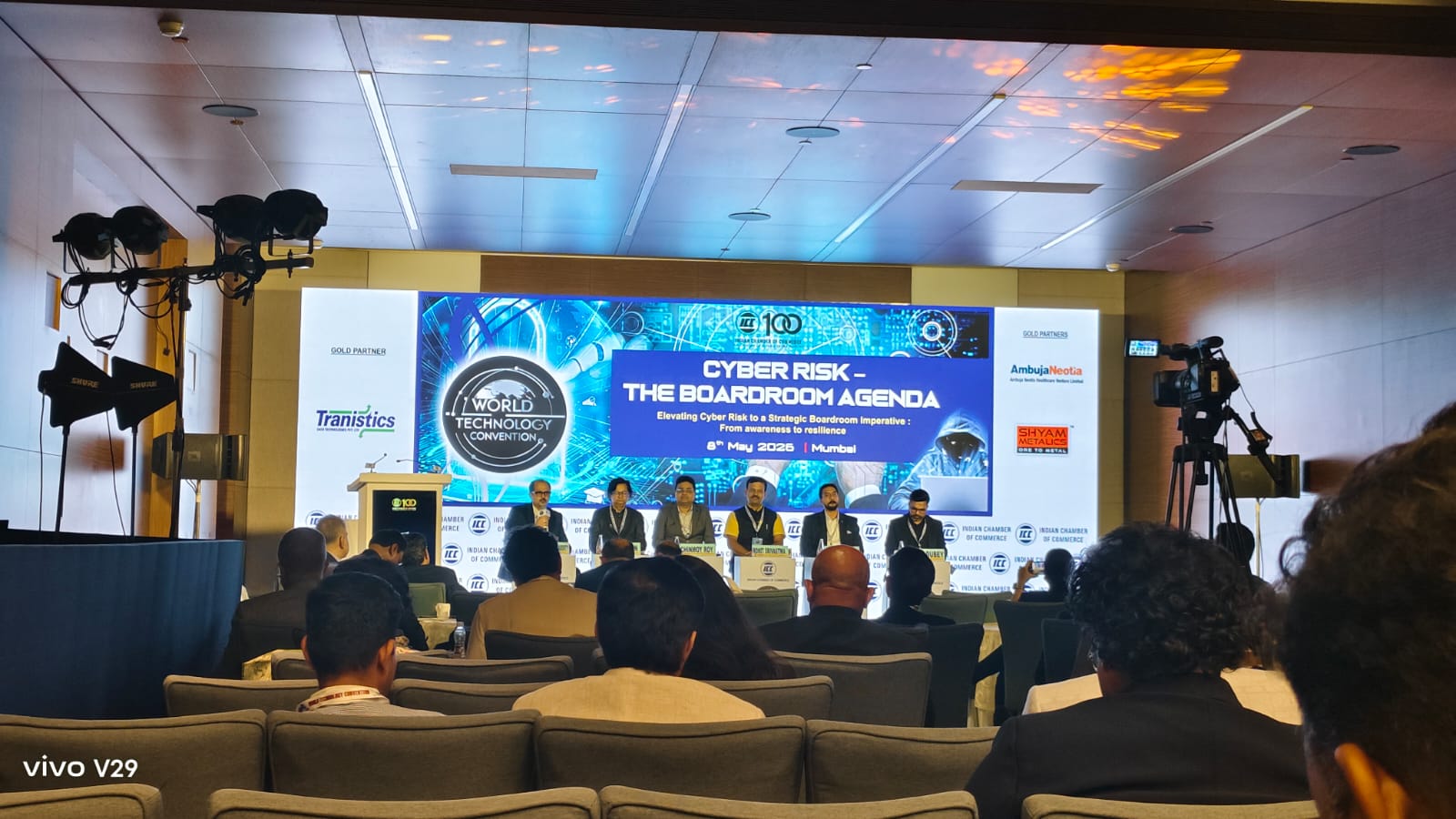
On the CyberSec panel
The cybersecurity discussion had a different texture.
It was more urgent. The sense in the room was that the threat landscape is moving faster than the institutional response, and that a lot of the infrastructure most people assume is secure financial systems, health data, critical public services is more exposed than anyone is comfortable admitting publicly.
A few things stayed with me:
The conversation about the gap between India’s cybersecurity talent pool and the actual demand for it. We produce people who are technically strong. We do not produce enough of them in the right specializations, and we do not retain enough of the ones we do produce.
And the quieter thread about how much of India’s digital infrastructure was built for speed and scale, not for security. Retrofitting security onto systems designed without it is a different and harder problem than building it in from the start.
I did not hear clean solutions to either of these. I am not sure clean solutions exist yet.
On the EdTech panel
This one was the most contested, in a good way.
EdTech in India carries a complicated recent history the pandemic-era valuations, the subsequent corrections, the ongoing debate about whether technology in education is actually moving outcomes or just moving money.
The most interesting part of the session, for me, was not the optimistic projections about personalized learning or AI tutors. It was the conversation about what the hard constraints actually are.
Infrastructure access. Teacher training. The difference between digitizing a classroom and changing how learning happens in it. The fact that most of the EdTech market is concentrated in urban, English-medium, exam-prep contexts and what that means for the claim that it is transforming Indian education at scale.
Some of the panelists pushed back on the more bullish narratives in ways that I thought were honest and necessary.
The ICC Technical Excellence Awards
The awards ceremony was, in the best sense, a reminder of how much is happening below the surface.
The organizations and individuals being recognized were not all household names. A lot of them were working on things that most people outside their sector would not immediately register as significant specific components of infrastructure, particular problems in manufacturing, narrow but important questions in applied research.
That specificity was the point.
It is easy to talk about India’s technological ambitions in aggregate. These awards were about the granular, unglamorous, technically demanding work that aggregate ambitions actually depend on. That layer is also where the durable companies come from, and it gets a fraction of the attention paid to the narrative layer above it.
The people in the corridors
I want to say something about the networking, because it was different from what I usually experience at events of this size.
The people I ended up talking to most were not the people giving the keynotes. They were the people sitting two rows back, or standing near the coffee table between sessions, who had come from specific organizations with specific problems they were trying to solve.
An engineer working on thermal management systems for defense applications who had thoughts about material science constraints I had never considered. A person building curriculum infrastructure for a state government who was more clear-eyed about what was and was not working than most of the commentary I have read on EdTech. Someone who had spent years on the supply chain side of semiconductor manufacturing in India and had very particular views about what the current policy moment actually enables versus what it claims to enable.
These conversations do not get written up anywhere. They are not quotable in a panel recap. But they are the thing I will actually retain from the two days.
The most useful version of an event like this is not the formal programme. It is the network of people who showed up because they care about something specific.
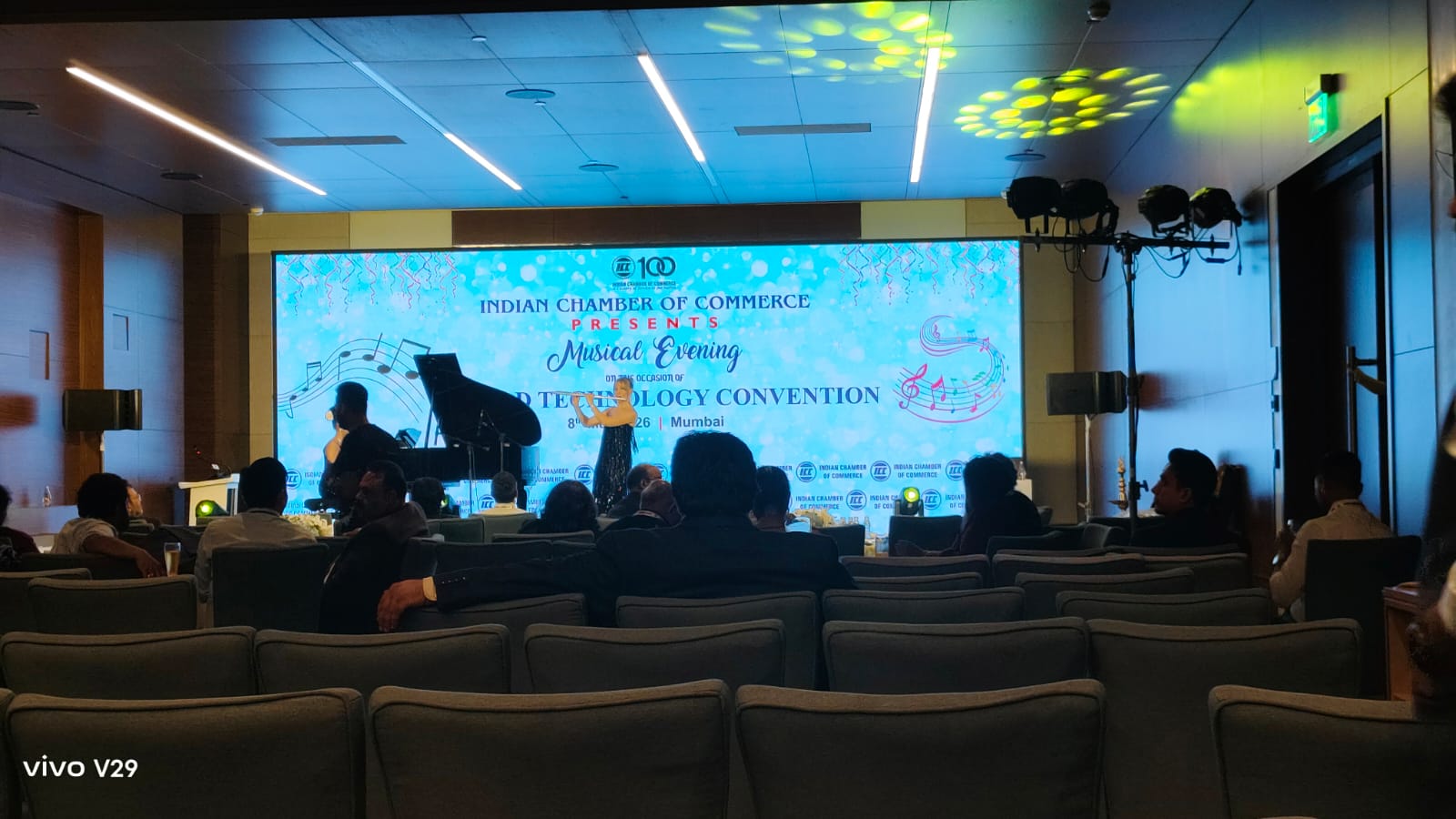
The music night
I did not expect to make connections at the music night.
I did.
There is something about the end of a long day of dense, serious conversation that makes people more direct. The formal context falls away. You end up talking to someone for forty minutes about something you would not have gotten to in a scheduled meeting.
I met people building things I want to know more about. I exchanged contacts I will actually follow up on.
What I took away
Two days is not enough time to fully understand any of the sectors the convention covered. What it is enough time for is developing a better map of where the genuine work is happening and who is doing it.
A few things I am sitting with:
The defense and infrastructure conversations suggested that India’s most important technological challenges are not primarily about ideas or funding. They are about institutional depth the unglamorous accumulation of capability in organizations that can execute at scale over years, not just innovate in bursts.
The cybersecurity conversation reminded me that security is not a product. It is a posture, and it requires sustained institutional commitment that is genuinely hard to maintain against competing priorities.
And the EdTech conversation, more than anything, clarified for me that the hardest problems in education technology are not technical. They are about understanding what actually changes learning outcomes, which is a much harder question than what is technically possible.
None of these are conclusions. They are better questions than I had going in.
Why I keep showing up to things like this
There is a version of the conference circuit that is mostly performance people restating known positions for audiences who already agree with them, in rooms designed to look like the future.
This was not primarily that.
The ICC-WTC had enough density of actual practitioners people who had staked their careers on specific technical and operational bets, and were at the event because they were genuinely trying to learn or connect or solve something that it felt worth the time.
That is the bar I use now. Not: was this inspiring? But: did I come away with a more accurate picture of what is actually happening?
I did.
Related: